Most roofs do not fail overnight. They give you warning signs for months, sometimes years, before a leak ever shows up on your ceiling. Learning to read those signs is the difference between a planned, affordable repair and an emergency that has already damaged your insulation, drywall and belongings.
1. Curling or cupping shingles
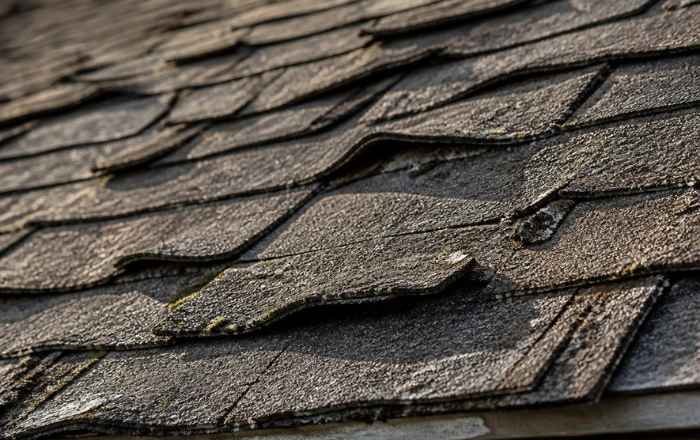
Asphalt shingles are designed to lie flat. When the edges start to curl upward or the centers begin to cup, the shingle has lost the oils that keep it flexible. This usually means the roof is nearing the end of its service life, and curled shingles are far more likely to be torn off in the next windstorm.
2. Granules in the gutters
Those small, sand-like granules that collect in your gutters are the protective surface of your shingles. A little shedding is normal on a new roof, but heavy granule loss on an older roof exposes the asphalt underneath to direct sunlight, which accelerates aging dramatically. If you are cleaning handfuls of granules out of your downspouts, the clock is ticking.
3. Daylight in the attic
Head into your attic on a bright day and turn off the lights. If you can see pinpoints of daylight coming through the roof boards, water can get in through those same gaps. While you are up there, look for dark streaks or damp insulation, both of which point to an active leak.
4. Sagging rooflines
A roof should follow straight, even lines. Any visible dip or sag between the rafters suggests trapped moisture has weakened the decking underneath. This is a structural concern, not a cosmetic one, and it needs a professional inspection quickly.
5. Flashing failures
The metal flashing around chimneys, skylights and valleys is where most leaks actually begin, not in the open field of the roof. Cracked, rusted or lifting flashing is one of the most common repair calls we get, and it is often fixable long before the surrounding shingles need replacing.
6. Moss and algae growth
Green moss and dark algae streaks are more than an eyesore. Moss holds moisture against the roof surface and can lift shingles as it grows, while some algae feeds on the limestone filler in shingles. In shaded, damp areas this growth can shorten a roof life considerably.
7. An age you cannot remember
If you do not know when your roof was last replaced, it is probably older than you think. Most asphalt roofs last twenty to twenty-five years. Once a roof crosses the fifteen-year mark, an annual inspection is the cheapest insurance you can buy.
What to do next
Spotting one of these signs does not always mean you need a full replacement. Often a targeted repair buys you several more years, and an honest inspection will tell you which path makes sense. If any of these sound familiar, book a free inspection and get a straight answer before the next storm forces the decision for you.